
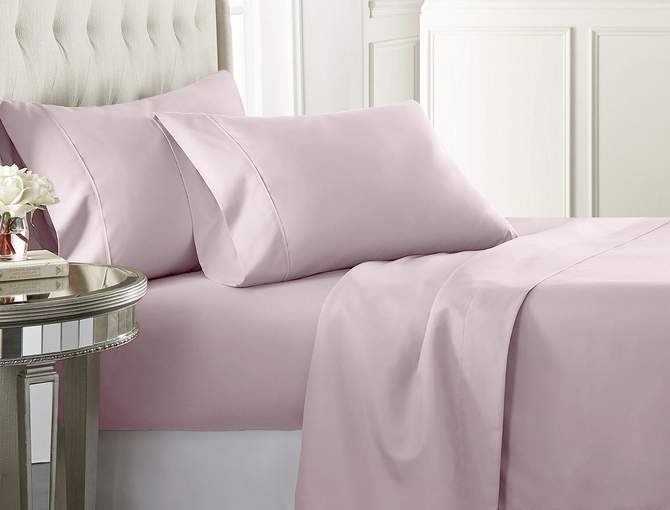
Rough bedding punishes touchy skin. Egyptian cotton sheets work better because the long fibers lie flat, leaving little room to scrape against. Air moves through the weave, which keeps heat down and lets redness fade overnight.
Key Takeaways
- Egyptian cotton sheets give reactive skin a smoother surface to rest on.
- Long fibers hide most of the loose ends that jab at raw skin.
- Air moves through the weave, so the bed runs cooler and itches less.
- Harsh dyes and finishes trigger flare-ups. Cleaner ones do not.
- Soft for years, as long as the washing stays gentle.
Bad sheets leave evidence. A red cheek, a patch of skin that stings and will not quiet down, the kind of morning reactive sleepers keep waking up to. Egyptian cotton sheets shift that. The fibers lie flat and the surface barely catches, so the skin gets left mostly alone instead of being rubbed all night.
Not every cotton earns the name in the same way. The cheap stuff uses stubby fibers that pill and go coarse after a few laundry cycles. Egyptian cotton sheets pull from long-staple crops, and that longer fiber spins into a thinner, steadier thread. A palm run across it slides clean, and the smoothness gives the quality away.
Where Cheap Fabric Fails Delicate Skin
- Constant Rubbing on the Barrier: Coarse thread does real damage over a night, quietly. It drags across skin that is already thin and quick to react, and each pass pulls away a little moisture. Eczema hates that. Rosacea flares under it. A dry patch that seemed minor at bedtime can look red and sore by breakfast.
- Trapped Heat and Sweat: Heat is the other half of it. A dense polyester weave seals warmth in, and warm skin starts to sweat where the fabric holds it against the body. That damp sits there and feeds the itch, sometimes a breakout. Cotton woven loose lets air pass and carries the moisture off. Skin cools. It calms.
The Gentle Feel of Finer Fibers
- Long Fibers, Smoother Surface: The advantage of long-staple cotton is almost boringly simple. Fewer fiber ends stick up out of the cloth, and those stray ends are what prickle on a rougher sheet. Egyptian cotton sheets bury most of that fiber inside the weave. The face of the fabric stays even, so skin meets calm, not grit.
- Cooler Air, Calmer Redness: So much of this comes back to airflow. A breathable weave refuses to trap heat the way a sweaty synthetic does, and cooler skin flushes less. Less flushing means the redness stays quieter through the night. Fewer scratch marks turn up in the dark. The payoff shows on a face that actually looks rested.
Kinder Nights for Trouble-Prone Skin
- Gentle on Eczema and Rosacea: Fragile skin is looking for a truce, not another fight at midnight. Rough fabric keeps picking at a barrier that eczema and rosacea have already worn down, and a week of that stalls any recovery. A soft, even surface does the reverse. It leaves sore spots alone. No wonder skin-condition sufferers gravitate to natural cotton.
- Fewer Triggers Hiding in the Fabric: Texture is only part of the problem. Budget sheets arrive coated in harsh dyes and leftover sizing, and those chemicals sit right where sensitive skin presses into them all night. Better cotton goes through cleaner finishing, so far less of that residue remains. What is left is a sheet that does not quietly provoke a reaction.
Picking the Right Set for Calmer Skin
- What to Look for on the Label: Thread count hogs the spotlight, and it earns less than shoppers think. Weave and fiber decide how a sheet treats sensitive skin, not some inflated number on the bag. A real long-staple cotton at a sane count beats a big figure on a coarse blend. The hand knows. Dense and cool, no stiffness.
- Signs of a Skin-Friendly Set:
- Long-staple or extra-long-staple cotton, and it should say so on the label.
- Percale for a crisp hand, sateen for a silkier one. No poly blends.
- Some kind of low-chemical dye certification.
- It should come out of the wash cool, never stiff.
- Deep pockets that actually grip, so nothing works loose and bunches against skin overnight.
- Simple Washing Keeps It Soft: Plenty of good sheets die in the laundry room. Strong detergent and softener leave a fine film behind, and reactive skin finds it within a night or two. A mild wash with no fragrance keeps the surface honest. Cranked-up dryer heat wears fibers out early. A set given some patience keeps its softness for years.
Softer Nights Start Here
Sensitive skin spends enough time on guard. The bed should be the one place it stops. A smooth long-staple set strips out most of what makes a night rough, the friction and the trapped heat. For anyone tired of waking up raw, the fix is simple. Pick sheets that stay kind to skin, and sleep easier tonight.