
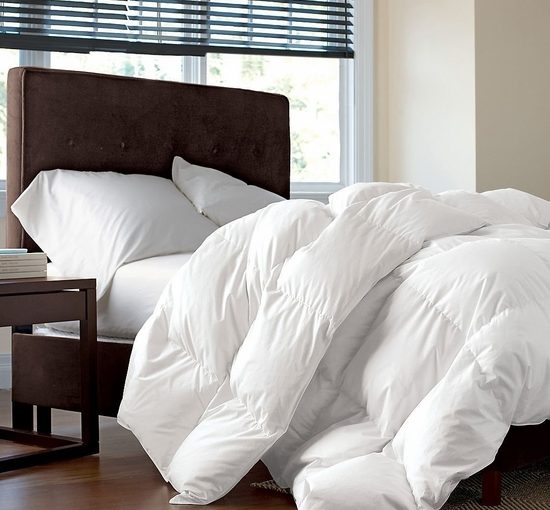
Most buyers judge a comforter by its first touch in the store, but real quality shows in how it survives laundry day. Proper washing and slow drying protect the loft, while careless care leaves the down clumped and flat. Choose the one that holds up after years of cleaning, not the one that feels best to the touch on day one.
Key Takeaways
- Wash care, not the in-store feel, decides how long a queen goose down comforter lasts.
- Baffle box construction holds the down in place through a wash, while sewn-through stitching lets the fill shift and bunch.
- A queen fills a machine fast, so a front-load washer without a center agitator protects the baffles.
- Drying makes or breaks the loft: low heat, a few dryer balls, and patience.
When purchasing, most people press the comforter in the store, feel the loft, and then make a decision. The first touch sells the thing. After some time, you realize that the feeling you test in the store barely survives the first year. What lasts is how the comforter holds up in the wash, season after season. But most buyers ignore this test. They focus on that in-store softness and assume it will stay the same once they get home. Washing changes everything, though. A quality goose down comforter keeps its loft after repeated cycles, while a cheaper fill mat’s down and flattens fast. So before you buy, ask how the comforter behaves once it goes through real laundry cycles at home.
What a Queen Goose Down Comforter Costs You After Purchase
Price is only the beginning. A queen goose down comforter will last 10-15 years, but this is determined by the way you clean it. One wrong wash and the down will clump, flatten, or even start to smell. The whole point of down is the loft, and this is the first thing that poor wash care destroys.
Down and recover its fluff after a proper wash with a slow, gentle dry. But it can turn dense with matted lumps under high heat or a rushed cycle. The comforter that felt fluffy on day one can feel dead within a year. The fill itself decides which way it goes. Hence, care shapes the choice, and not the showroom touch.
Why Construction Decides How a Queen Goose Down Comforter Washes
Construction plays a significant role here. So pay close attention to how the comforter holds its fill. Baffle box construction uses small fabric walls inside to keep them down in even squares. This structure survives a wash. Sewn-through stitching costs less and lets the fill shift, and a hard spin can drive the down into one corner for good.
The other trap is the size. Since a queen fills a machine fast, a home washer with a center agitator can tear the inner baffles, making a front-load machine a safe pick. Hence , many people end up at a laundromat for this reason, and that is worth knowing before you buy, not after.
The Drying Step That Makes or Breaks Your Loft
Drying is where most comforters die. Wet down clumps into heavy, gray lumps, and it has to come fully apart again. That takes low heat and patience, often three to six hours for a queen. You may use two to four clean tennis balls or wool dryer balls to pummel the fill and break the lumps.
Also, make sure that you stop the dryer every half hour, pull the comforter out, shake it hard, and feel the seams for any damp, heavy spots. Even a small trace of moisture left inside can grow mildew within a day. Another risk factor is high heat. It can scorch the cotton shell and dry out the natural oils in the down. Low and slow win every time.
Summing Up
A great comforter should feel heavenly, but this can fade away with time. How the comforter washes, dries, and holds its loft is what you live with for a decade. So buy the one that survives laundry day, and the comfort takes care of itself.